Washington schools find major contamination levels in drinking water
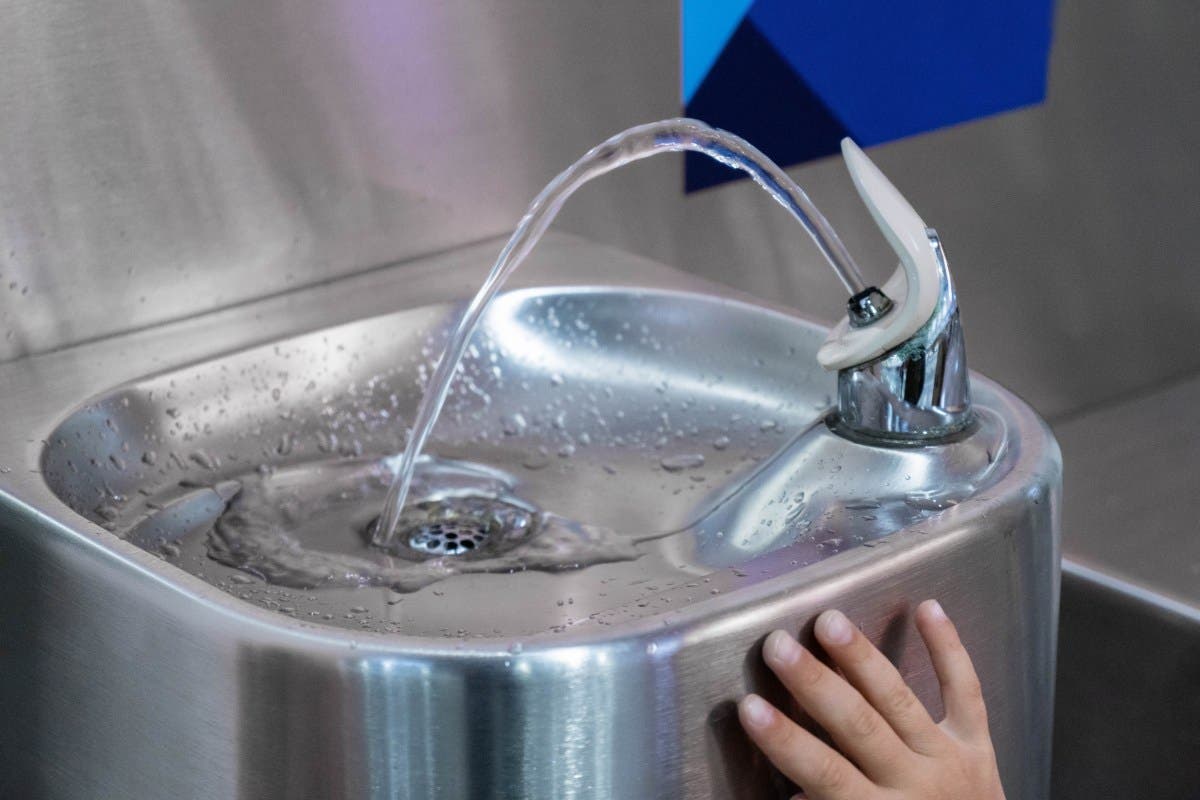
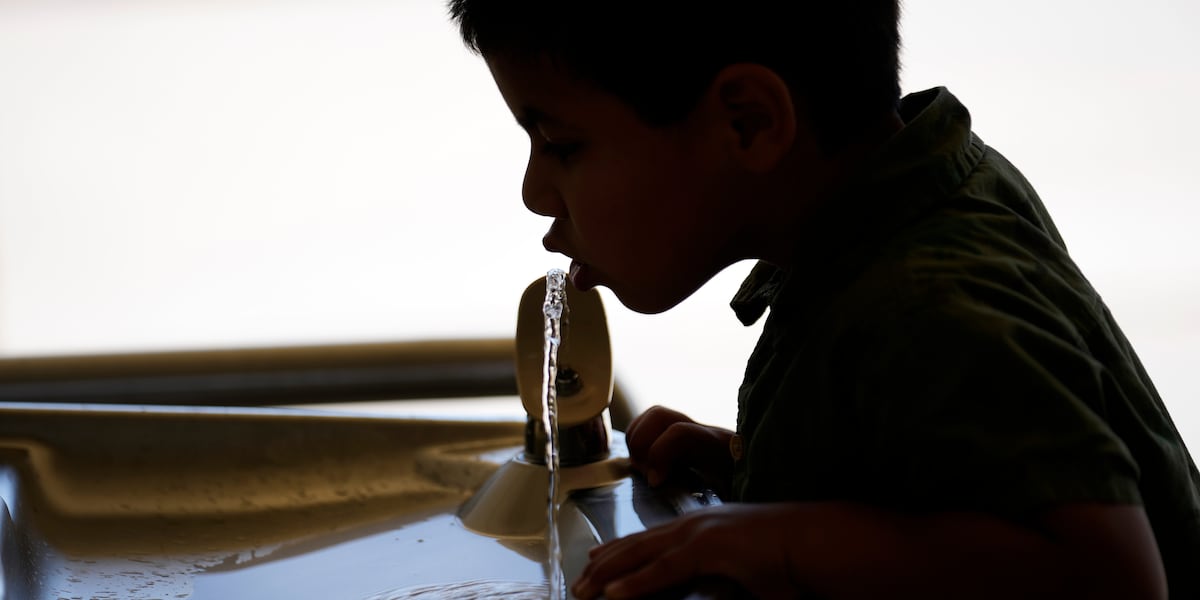
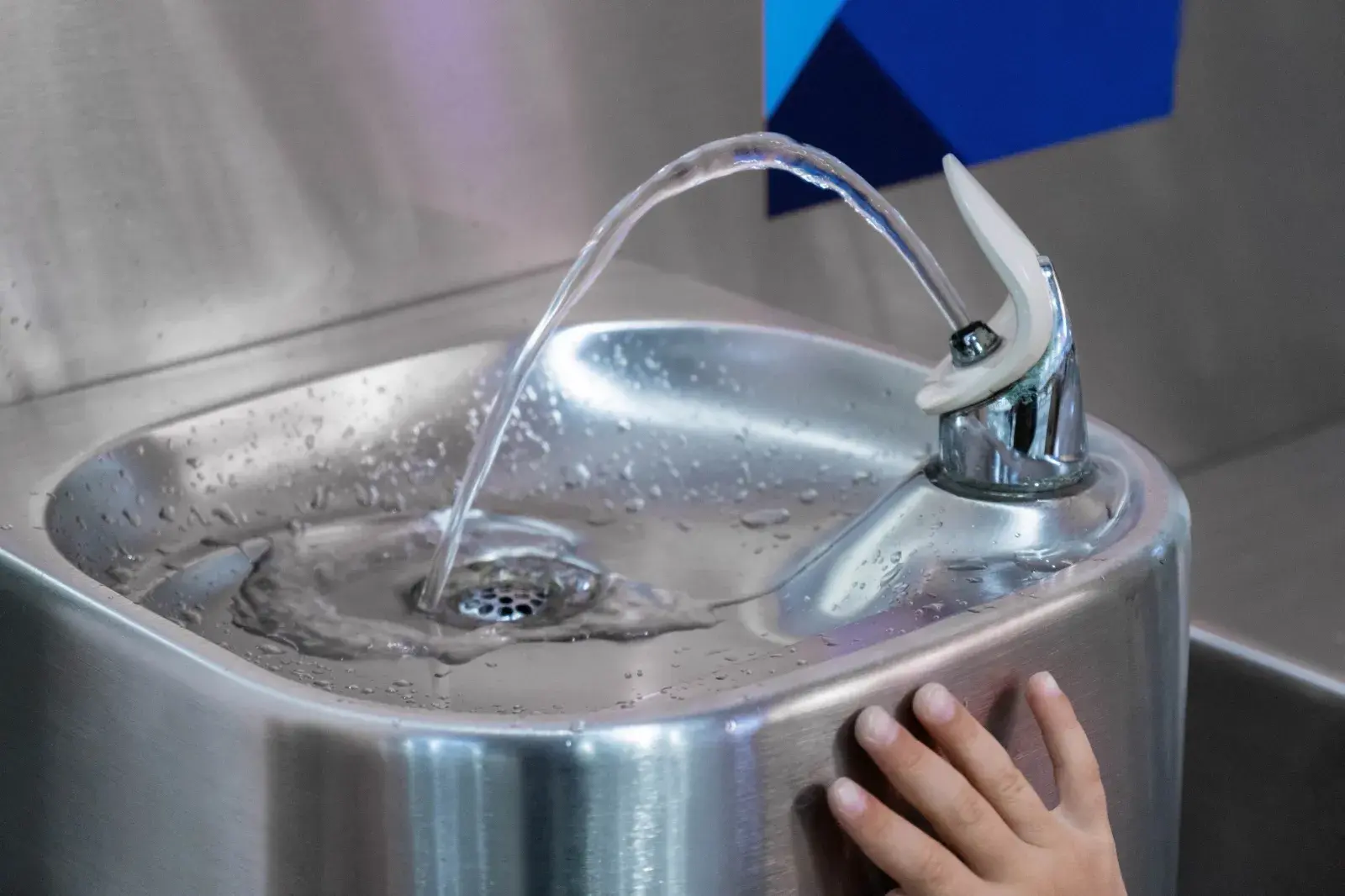
Data collected by the Washington Department of Health (DOH) has revealed that the majority of schools in the state had levels of lead in drinking water fixtures that were higher than the level the state considers safe enough to drink.
A Washington DOH spokesperson also told Newsweek that children under the age of 6 are particularly at risk. “Their growing bodies absorb more lead than adults and are more sensitive to its damaging effects,” they said.
Why It Matters
The metal can contaminate drinking water sources if lead pipes, faucets, and plumbing fixtures are used in the water system. Typically, older systems made prior to 1986 may contain lead, and in more recent years a number of federal rules have been implemented to stop the use of lead-containing pipes and plumbing fixtures being used.
The adverse impact of lead on both adult and child health is well-documented in studies, and it is widely agreed that there is no safe level of lead in blood identified for young children—meaning any exposure, no matter how small, to lead in drinking water is a health risk.
What To Know
Just less than 75 percent, or three quarters, of the state’s schools had levels of lead that tested above the state’s action limit of five parts per billion (ppb), according to the department’s data, which was measured between March 2022 and August 2025.
Washington legislation states that if a drinking water fixture had a concentration of lead at 15 ppb or higher, the system must be shut off immediately, but at 5 ppb, the state department of health advises Americans not to drink the water where possible.
The Washington DOH spokesperson told Newsweek that even at very low levels of exposure to lead, children may experience “lower IQ levels, reduced attention span, hyperactivity, or other harmful health effects that can impact learning, development, and behavior.”
Almost half of the schools tested had levels of lead in drinking water supplies that tested over 15 ppb, while 20 schools had more than 50 percent of their drinking water fixtures testing over 5 ppb for lead.
Although, while the vast majority of schools had levels of lead higher than the state’s advisable limit in one or more drinking water sources, just over 80 percent of drinking fixtures analyzed in the review tested below the 5-ppb level.
The highest recorded lead level was in Silver Beach Elementary School, in Bellingham, where 4,853 ppb of lead was measured in the drinking water fixture in one of the school’s rooms.
This was followed by Sky Valley Education Center, in Monroe, (998 ppb), Wahkiakum High School, in Cathlamet, (710 ppb), and Virgie Robinson Elementary School, in Pasco, (692 ppb).
You can search to check the highest concentration of lead measured in a drinking water fixture in every tested Washington School—which does not include every school in the state—from the state DOHs data set on the table below:
Another 22 schools also had concentrations of lead in one of their drinking water fixtures that was higher than 100 ppb. These included:
- Geneva Elementary School, in Bellingham (240 ppb)
- Bridgeport Elementary School, in Bridgeport (395 ppb)
- Vale Elementary School, in Cashmere (119 ppb)
- Pioneer Middle School, In Dupont (243 ppb)
- Vista Middle School, in Ferndale (378 ppb)
- Forks Junior-Senior High School, in Forks (183 ppb)
- River Ridge High School, in Lacey (106 ppb)
- Shadow Lake Elementary School, in Maple Valley (102 ppb)
- Glacier Park Elementary School, in Maple Valley (293 ppb)
- Fryelands Elementary School, in Monroe (124 ppb)
- Frank Wagner Elementary School, in Monroe (137 ppb)
- Okanogan Junior/Senior High School, in Okanogan (160 ppb)
- Grainger Elementary School, in Okanogan (168 ppb)
- East Omak Elementary School, in Omak (107 ppb)
- Oroville Elementary School, in Oroville (143 ppb)
- Greywolf Elementary School, in Sequim (674 ppb)
- Meridian Park Elementary School, in Shoreline (103 ppb)
- Hidden River Middle School, in Snohomish (270 ppb)
- Longfellow Elementary School, in Spokane (304 ppb)
- Sheridan Elementary School, in Spokane (378 ppb)
- Sun Valley Elementary School, in Sunnyside (215 ppb)
- New Market Skills Center, in Tumwater (341 ppb)
The law requires that any fixture testing over 15 ppb for lead “be shut off immediately until the long-term remediation for that fixture is determined,” the Washington DOH spokesperson told Newsweek.
This process, which comes with a number of additional steps, is outlined in an action plan that has to be approved by the school’s governing body within six months of test results, they said.
The spokesperson also said it’s important to know that just because one drinking water fixture tests very high, “this does not mean that the source water or all fixtures in the school are contaminated with lead.”
Typically, the outlets that test high are old (pre-2014 fixtures) and infrequently used, as “when water fixtures are not used regularly there is a greater chance for lead and other materials to accumulate in those fixtures,” they said.
At the other end of the spectrum, more than 20 schools had less than 1 ppb of lead found in all drinking water fixtures. These included:
- Bellingham Family Partnership Program at Larrabee, in Bellingham
- White River High School, in Buckley
- Davis Elementary, in College Place
- Cosmopolis Elementary School, in Cosmopolis
- Deer Park Elementary School, in Deer Park
- Aspire Middle School, in Lacey
- Nisqually Middle School, in Lacey
- Avanti High School, in Olympia
- Desert Oasis High School, in Othello
- Wahitis Elementary School, in Othello
- Barbara Mcclintock Stem Elementary School, in Pasco
- Mountain View Elementary School, in Quincy
- Orchard Elementary, in Richland
- Central Elementary School, in Sedro-Wooley
- State Street High School, in Sedro-Wooley
- Olympic Peninsula Academy, in Sequim
- Mica Peak High School, in Spokane Valley
- Impact Commencement Bay Elementary, in Tacoma
- Rooted School Vancouver, in Vancouver
- Preston Hall Middle School, in Waitsburg
- Transportation Cooperative, in White Salmon
The Washington DOH spokesperson told Newsweek that they had not yet found a geographic pattern in the data, as not all schools had been tested, but that the department believes “lead risk is associated with both poverty and age of building.”
The spokesperson also said that children can be exposed to lead through many sources, not only drinking water, such as lead-based paint, contaminated soil, and “take-home exposure from parents who work in certain industries.”
“While drinking water is typically not a main cause of high lead levels in children, it is important to prevent exposure from all potential lead sources,” they said.
What People Are Saying
A Washington Department of Health spokesperson told Newsweek: “Laws mandating the testing of drinking water in schools and child care facilities, like the laws in Washington state, are an important step in identifying and addressing the issue of older, leaded drinking water fixtures and piping in schools.
“Continued water testing in Washington is key in reducing exposure to lead through drinking water in schools and child care facilities. Nationally, there is an effort to inventory and replace lead service lines as part of the Safe Drinking Water Act—Lead and Copper Rule Improvements. These actions help address the issue of lead exposure through drinking water.”
They added: “When it comes to lead, upstream prevention is the best public health approach, since we want to reduce exposure as much as possible, as early as possible. Testing school drinking water is one part of the puzzle. We also need to advance and promote efforts that eliminate or reduce children’s overall exposure to lead.”
What Happens Next
The spokesperson told Newsweek that the department is currently updating its website with the 2024 to 2025 school year data, which should be available within the month, meaning that more information will be released soon.
Update 10/07/25, 04:22 a.m. ET: This article was updated with additional comment from the Washington DOH.
link