Removing Food Dyes From Our Children’s School Meal: Low Cost, High Reward
For years, parents, doctors and advocates have been raising the alarm in regards to the consumption of petroleum based synthetic food dyes and links to hyperactivity in children. Other health issues have also been examined like GI and metabolic issues, and while evidence of some concerns is unclear, one thing is very clear; these dyes have no caloric or nutritional value, so there is no good reason to tolerate the risk of adding them to kids’ food. Removing them from the food supply would require no new supplementation or other mediations besides perhaps using other natural food dyes such as beet juice, for example.
While these dyes have become present in every corner of the food supply chain (one examination of a North Carolina grocery store found them present in over 40 percent of products), it’s clear that if anything we should be consuming less of them, not more, particularly our children. For a food ingredient that has absolutely no nutritional or caloric value, and carries real and unknown risks, the answer is simple: it’s time to phase out synthetic food dyes to protect kid’s health, and a great first step is to remove them from schools.
While federal action has begun, and a significant portion of the food industry has committed to move away from synthetic dyes, we still have a long way to go to reach 100%. That’s why, in addition to urging continued leadership from the federal government, we’re celebrating and encouraging progress at the state and corporate levels. States like Arizona and California have passed laws banning synthetic dyes in public school meals, and companies like Kellogg’s and General Mills have pledged to go dye-free by 2027.
That’s why we’re also calling on Sodexo, one of the largest food service providers in K–12 schools and universities, serving nearly 400 school districts each day, to commit to ending the purchase and distribution of any products containing synthetic dyes.
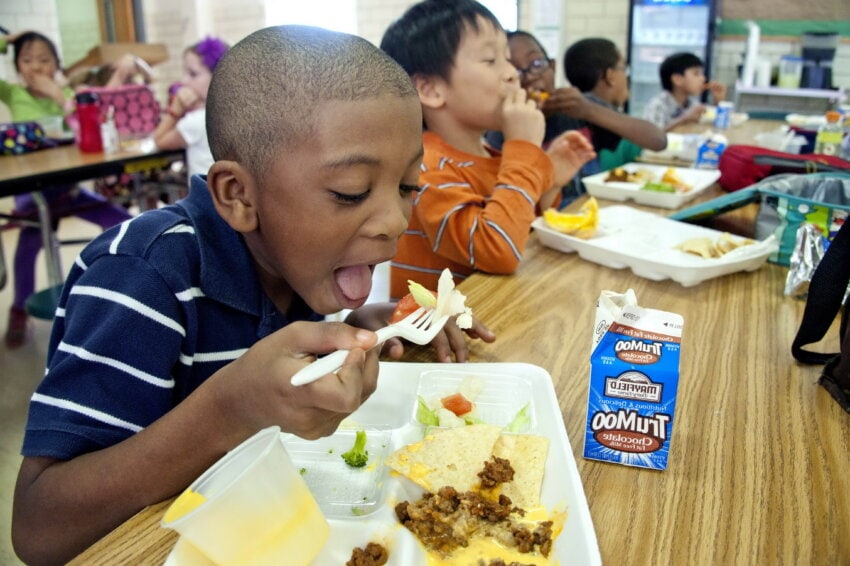
What children eat in school not only shapes their daily nutrition, sometimes accounting for nearly half of their total caloric intake, but also sets a powerful example for lifelong eating habits. Removing synthetic dyes from this environment is a critical first step toward a healthier, dye-free food future.
We’ve made significant progress on this issue this year, and it’s essential that we keep the momentum going. As one of the largest food suppliers in the country, Sodexo has a unique opportunity to lead the way in protecting children’s health and accelerating a market-wide shift away from synthetic dyes.
link