Health researchers open office to study effects of train derailment


How it’s done: Rerailing locomotive shoved off tracks during accident
Coordination and know-how moves locomotive from yard back onto railroad tracks.
- A health research office opened Feb. 3, 2026 in East Palestine to serve residents affected by the 2023 train derailment.
- Researchers will study the long-term health effects of the derailment on residents and first responders.
- The program is a collaboration between the University of Kentucky, University of Pittsburgh and Yale University.
The 2023 train derailment in East Palestine, Ohio, left behind many immediate and long-term health questions and concerns for the people who lived nearby and those who responded to help at the accident scene.
Now there is a permanent physical location where residents from East Palestine and areas of Beaver County can go for health information and monitoring by a group of researchers from the University of Kentucky, the University of Pittsburgh and Yale University.
The East Palestine Train Derailment Health Research Program office opened Feb. 3, on the third anniversary of the derailment, at The Way Station, 109 W. Rebecca St. in East Palestine.
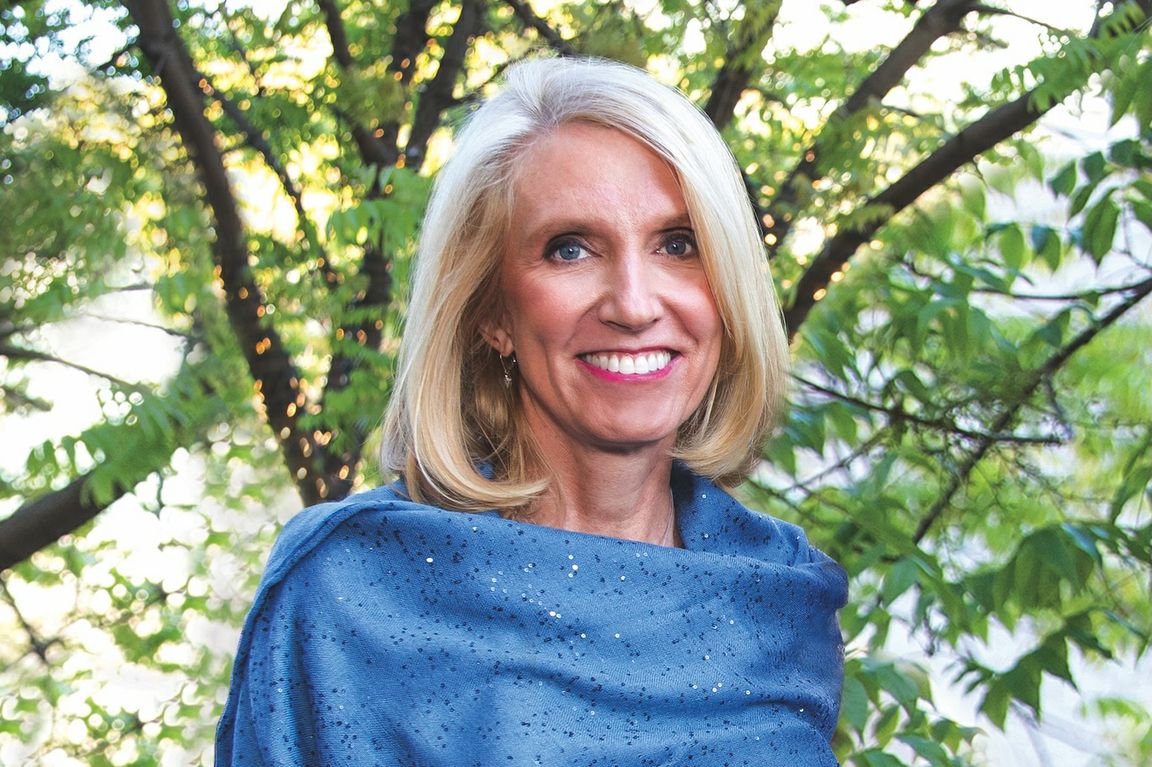
“This office stands as a commitment to listen, to learn and to take seriously the health concerns of the people who call this community home. It exists because residents spoke up, because neighbors stood together and because we refused to let our experiences be dismissed,” said Misti Allison, the research program’s community advisory board chair, at the grand opening.
“This moment is not about looking backward. It is about protecting the people who live here now and the generations who will grow up here. When we cut this ribbon today, we are opening a door to accountability, to knowledge and to hope.”
What does the research program do?
The East Palestine Train Derailment Health Research Program expands on the research that began soon after the derailment by the National Institute of Environmental Health Sciences, part of the National Institutes of Health.
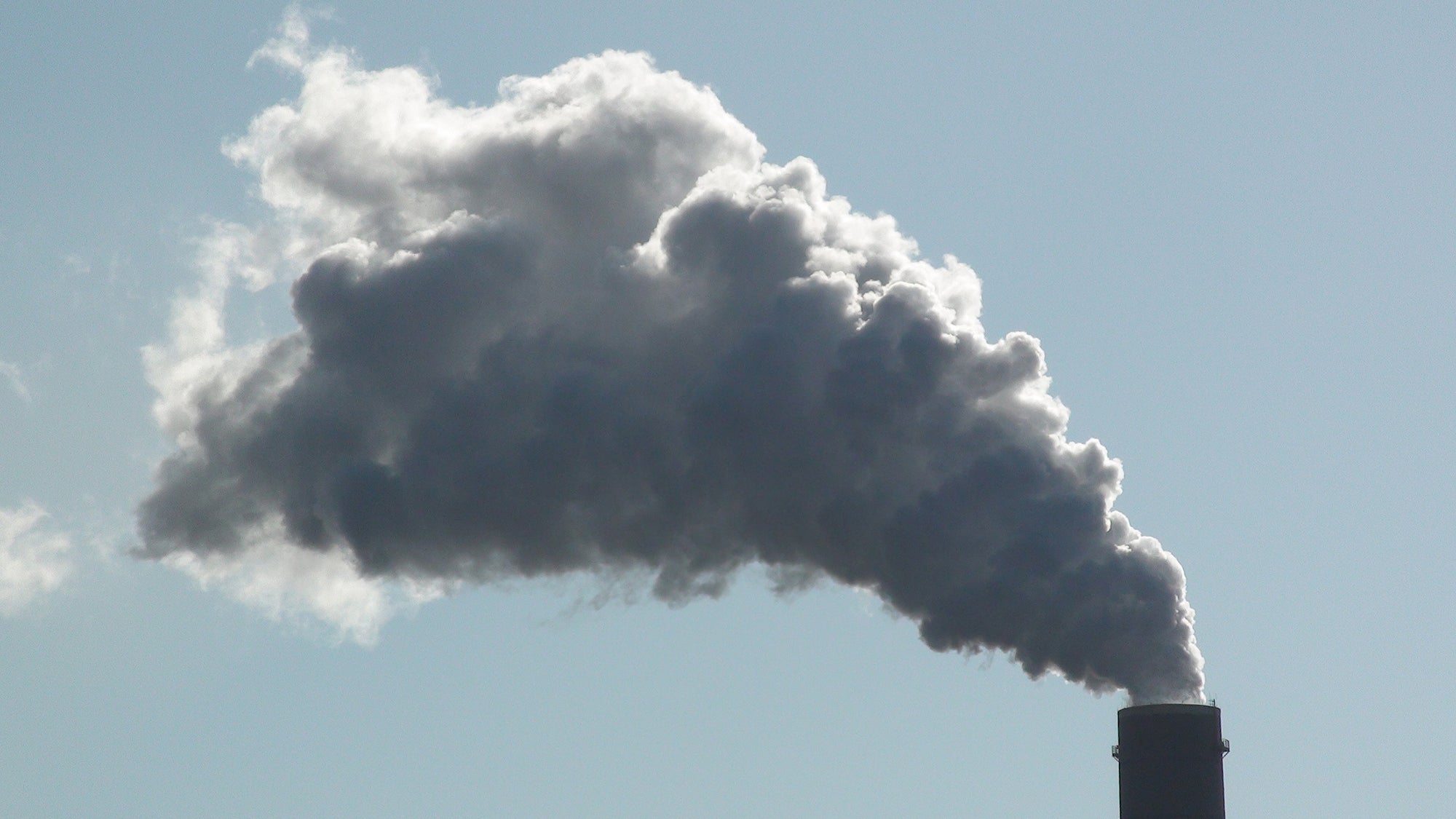
In 2025, the NIEHS awarded $10 million in funding over the next five years for these university researchers, working together as the East Palestine Investigation Consortium, to study the long-term health effects from the train derailment, including the vent and burn of vinyl chloride, on the people living in these communities.
Anyone age 8 and over who lived in East Palestine and the surrounding area, including western Pennsylvania, when the derailment occurred, can join the East Palestine Train Derailment Health Research Program, as well as those who participated in the first response and cleanup activity as a worker or a volunteer. Participants aged 8-17 must also have a parent or primary caregiver enrolled in the program, according to the program website.
Participants will be asked to answer a health survey once a year and complete a health visit at the East Liverpool City Hospital/East Palestine Clinic; in return, they will receive a gift card, regular updates on the study and information about related meetings and education workshops.
“This office represents a promise kept to the people of East Palestine,” said Kyle Walsh, NIEHS director, at the grand opening.
“We committed early on that this would not be a short-term response. It would be a long-term scientific and public-health effort rooted in this community. Having a permanent, local presence ensures that residents are not just participants in this research, but true partners.”
Hilary Flint, a community advocate who also serves on the program’s community advisory board, said she hopes the health study will lead to legislation to provide care for residents affected by the derailment, much like the World Trade Center Health Program provides research and treatment for survivors and first responders who were exposed to toxins as a result of the Sept. 11, 2001, terrorist attacks in New York, Washington, D.C., and Shanksville, Pennsylvania.
‘The story isn’t over’
In the meantime, enrolling in the East Palestine Train Derailment Health Research Program is one important act that residents can do to help themselves and others in their community, she said.
Donations to the Ohio Valley Derailment Mutual Aid fund help those who need financial assistance with medical costs, supplies and housing or relocation costs to recover from the effects of their exposure.
Flint also suggested residents contact their elected officials and urge them to make railroad safety a priority, as well as support organizations whose work informs and educates the community about environmental and public health issues.
“I think right now we just need people to understand the story isn’t over, we’re just entering a new chapter, and we need continued support from around the area, but also around the country, to turn this thing that happened to us into national change,” she said in an interview with The Times.
“There are people now who didn’t know that they would be affected. There are some people who were affected immediately, there were some people that it happened over time and there were some people where it was brought on really quickly – they went from a healthy person to someone who’s unable to work.
“There is such a spectrum of harm, and to understand how to solve that problem is why the National Institutes of Health has dedicated $10 million in funding for this health research study that’s going to help really identify what these things are. Once we know what the problems are and what the overarching health conditions are, then maybe there’s a way for advocacy, maybe there’s a way to come up with some solution.
“So that’s what’s challenging: We know what we were exposed to, everyone knows what they were exposed to, and it’s just about how that affected different people’s bodies and then their livelihoods.”
link