Global Progress Stories – Environment, Health, and Poverty | Louisiana Inspired
These are stories of global progress, compiled by the media group Fix the News and shared in partnership with The Advocate/The Times-Picayune.
Each story overview is linked to an original report or story with more information.
Endangered species group uplists manta and devil ray species
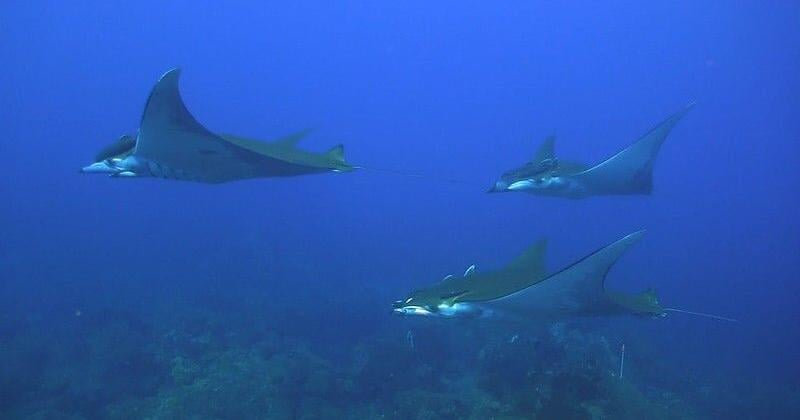
In November 2025, member nations of the Convention on International Trade in Endangered Species of Wild Fauna and Flora voted to grant the highest level of international protection to all 10 species of manta and devil rays. Oceanographic reported that the decision bans all international commercial trade in manta and devil ray products. Known for their sweeping wingspans, the rays have specialized gill plates that set them apart from all other rays. Historically, these traits have made them vulnerable, along with slow maturity and low reproductive rates. Now, the fate of the manta and devil rays depends on global follow-through.
WHO/UNICEF releases water supply report
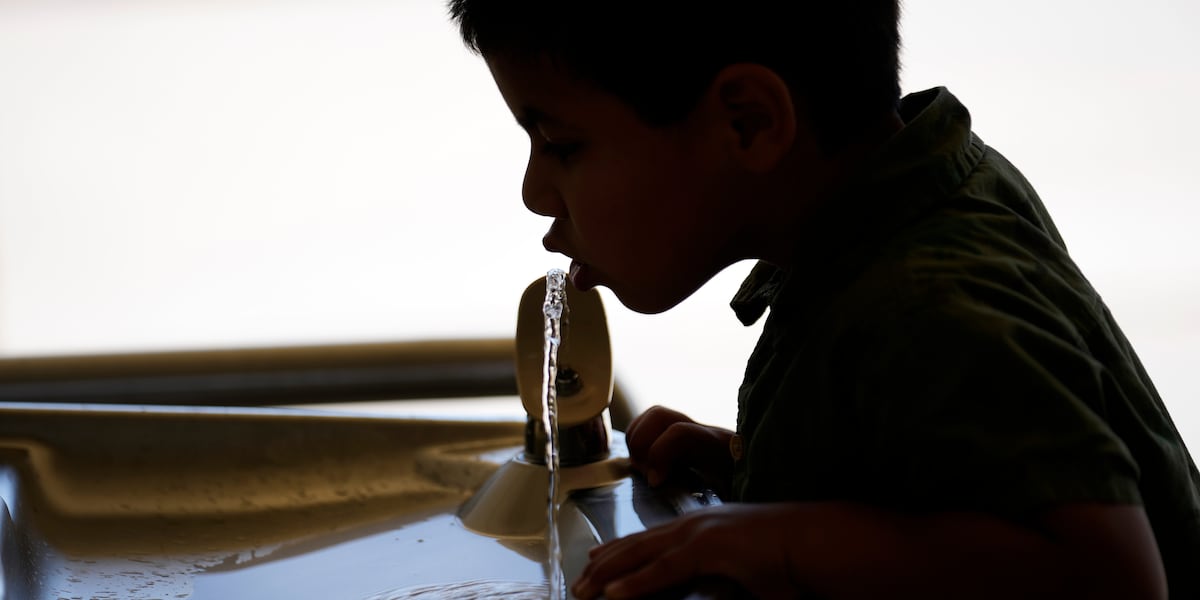
The World Health Organization and United Nations Children’s Fund has released the Joint Monitoring Programme for Water Supply, Sanitation and Hygiene since 1990 to produce estimates of progress on drinking water, sanitation and hygiene internationally. The 2025 report assesses those factors from 2000 to 2024. While gaps remain, many people gained improved services — millions now have safely managed drinking water, sanitation and basic hygiene — but progress varies regionally. According to the report, “between 2000 and 2024, the global population increased from 6.2 billion to 8.2 billion. Over this period, a quarter of the world’s population (2.2 billion) gained access to safely managed drinking water, and a third (2.8 billion) gained safely managed sanitation.”
How Kerala eliminated poverty
Kerala, a lower-middle-income economy in India, has virtually eliminated extreme poverty by combining modest economic growth with investments in health, education, equitable distribution, targeted safety nets and community participation. Brookings, a nonpartisan think tank, reported that officials used a multidimensional poverty index to identify the poorest households and ensure none were overlooked through ground-level validation. Special programs, like the Athidaridrya Nirmarjana project, were instituted to identify and uplift individuals within five years. Extensive community engagement, led by local governments and supported by workers like ASHA and Kudumbashree volunteers, was key. Kerala’s historically egalitarian distribution also helped reduce poverty much more than income measures alone suggest.
South Africa fights back against invasive plants
South Africa’s landscapes are increasingly dominated by invasive plants like jacarandas, wattle and bugweed, which deplete water supplies, worsen drought and displace native ecosystems. These species cover about 10% of the country’s land, straining water supplies, biodiversity and agriculture while contributing to flooding and wildfire risk. In response, national and local programs are removing invasives from rivers, catchments and urban areas, according to the World Resources Institute. These efforts have restored water supplies, created jobs, improved ecosystem health, supported flood resilience and bolstered biodiversity.
Collaboration extended to eliminate three deadly diseases
The World Health Organization and Bayer AG, the German pharmaceutical company, have extended a long-standing partnership into 2030 to support countries in scaling up free treatment for three neglected tropical diseases (NTDs): Chagas disease, human African trypanosomiasis (sleeping sickness) and taeniasis/cysticercosis. According to WHO, “NTDs are a diverse group of 21 diseases or disease groups that are widespread in the world’s poorest regions, where water safety, sanitation and access to health care are substandard.” Bayer will donate 18 million tablets and vials (suramin, nifurtimox, niclosamide) valued at about $15.5 million and provide $9.45 million in financial support to WHO programs and operations. The collaboration “calls for the eradication or elimination of several of these conditions by the end of the decade.”
New guidelines for rewilding
The IUCN Commission on Environmental Management has unveiled its new guidelines for rewilding, offering the first comprehensive global framework for the practice. These guidelines were developed with partners worldwide and define rewilding as a nature-led, human-enabled approach to restoring self-sustaining ecosystems. The guidance aims to embed rewilding in global conservation policy and accelerate nature recovery to address biodiversity and climate crises. Some of the guidelines include embracing ecosystem changes and involving local communities in decision-making.
Fix the News is the world’s leading solutions journalism newsletter. The organization finds hidden stories of progress and shares them with readers from 195 countries. Steven Pinker calls Fix the News “the best source for positive news on the internet.”
link