Looming Medicaid Cuts Could Devastate Schools and Communities

Iowa Spanish teacher Nancy Baker Curtis’s nine-and-a-half-year-old son Charlie loves monster trucks, playing with his friends, and bike-riding with his mom. Earlier this year, he was running down the sidewalk, fell, and had to get stitches in his chin.
“It’s terrible, of course, but it’s also amazing because at the age of two, he couldn’t crawl or even sit up,” says Baker Curtis.
Six days after his birth, Charlie was diagnosed with a serious infection and was admitted into the hospital, where he would remain for 30 days. He was in and out of the hospital several more times before he turned nine months old.
Baker Curtis saw that he wasn’t hitting developmental milestones and called in early intervention services that got Charlie started with physical therapy, speech therapy, feeding therapy, and more.
“The reason Charlie can run and swallow and use his talker is because Medicaid has covered life-changing therapies for our son,” she says.
But now Congress is threatening to make such deep cuts to Medicaid that students with disabilities—kids like Charlie—will lose therapies and services they count on to thrive and even survive. Millions more adults and children will lose their only source of healthcare.
As part of the federal budget process, the U.S. House of Representatives is seeking changes to Medicaid that will make fewer people eligible for the program.
According to an analysis by the nonpartisan Congressional Budget Office, under the House plan, 8.6 million people would lose coverage under Medicaid, and 5.1 million would lose coverage under the Affordable Care Act—a total of 13.7 million Americans.
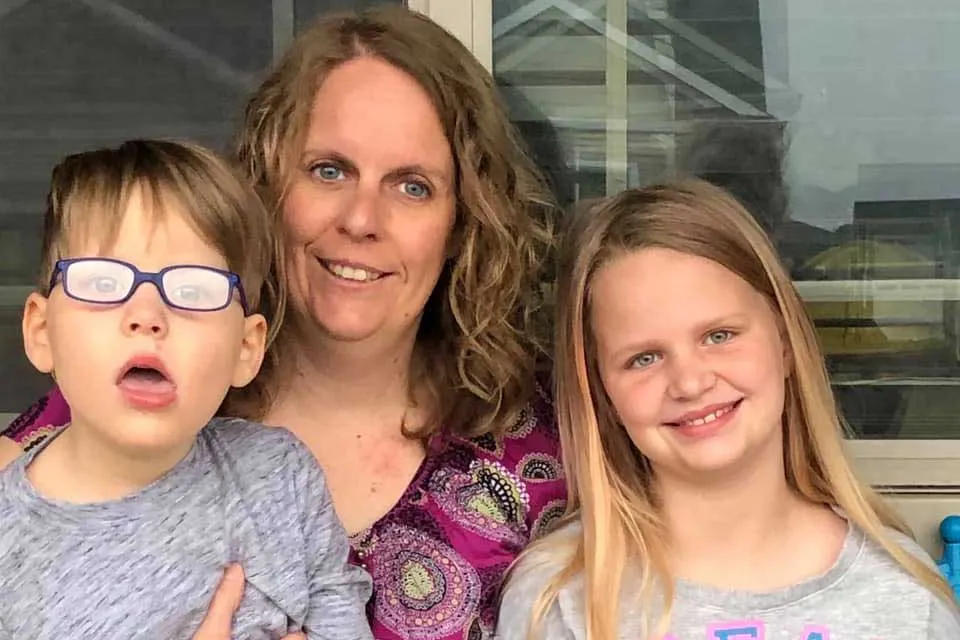
Charlie’s school-based Medicaid services include a health associate or nurse to consult on his IEP and Health plan. Because Charlie started experiencing seizures, Medicaid covered seizure training for his entire team. He also receives speech, occupational, and physical therapy at school.
Baker Curtis and her husband—who also have a 12-year-old daughter to care for—both have employer-provided health insurance. But their policy doesn’t cover anywhere near the amount of services that Charlie needs.
“Under our PPO, we qualify for a combined 30 appointments for occupational and physical therapy,” says Baker Curtis. “We would blow through those appointments in about three and a half months, or less. What would we do for the rest of the year?”
Medicaid Services in Schools
Because Charlie qualifies for Medicaid, his school district can bill the program to ensure that he has the services he needs during the school day. This includes specialized transportation and his one-on-one aide.
Millions more children who do not have significant disabilities qualify for Medicaid because they are from low-income families. Schools can bill Medicaid for services that support these students, too—everything from mental health counseling to medical, dental, and vision screenings—and those services can benefit every student in the school.
In all, nearly 80 million Americans—including 38 million children and 1 in 10 education support professionals—receive health care coverage through Medicaid and the Children’s Health Insurance Program.
Jimbo Lamb, a high school math teacher and president-elect of the Southern Region of the Pennsylvania State Education Association, says Medicaid is critical to the region he represents, which includes Harrisburg City and rural Fulton County.
“There are about 67,300 kids on Medicaid in this region, and when they enter our schools, we are able to get funding for the services they need there,” says Lamb.
link